アカビズ ー 「ビジネスと就活のナビゲーター」

    • サクッと学んで、すぐ実践!ビジネススキルがどんどん身につく!

  • 💡ブログ用:飛び込み営業で成果を出す心理テクニック7選

    ① 初頭効果(First Impression)

    最初の印象で信頼をつかめ。

    ・清潔感+笑顔+堂々とした姿勢

    ・声のトーンはやや低め+ゆっくり

    👉 3秒で「誠実そう」と思わせると、その後の話がすべて前向きに受け取られる。

    ② 返報性の法則(Reciprocity)

    人は「もらったら返したくなる」。

    ・「資料だけ置いていきますね」

    ・「少しでもお役に立てればと思って…」

    小さな“ギブ”を積み重ねると、相手の警戒心が和らぐ。

    ③ 一貫性の原理(Consistency)

    人は一度言ったことを守りたくなる。

    「少しでもライフプラン見直したい気持ちはありますか?」

    →「あります」と言わせたら勝ち。次のステップに自然につなげられる。

    ④ フット・イン・ザ・ドア(Foot in the Door)

    小さなお願いから始めてOKを取りに行く。

    「2分だけお話伺ってもいいですか?」

    →「2分だけなら」→信頼形成→本題へ。

    ⑤ 好意の返報(Liking)

    「自分と似ている」と感じる人には心を開く。

    ・共通点を1つ見つける(地元・家族構成・趣味など)

    ・「実は私も○○なんですよ」

    → 顧客のガードを一瞬で下げる。

    ⑥ 希少性の原理(Scarcity)

    「今だけ」「あなただけ」で行動を促す。

    ・「今月は残り2名までご案内できます」

    ・「今の金利で入れるのは年内だけです」

    限定性を出すことで“決断の後押し”をする。

    ⑦ 社会的証明(Social Proof)

    「みんなやってる」=安心感。

    ・「同じ地域の方も多くご相談いただいてます」

    ・「実はご近所の○○様も~」

    人は“他人の選択”を根拠に動く。

    ✍️まとめ

    営業は「説得」ではなく「納得を導く心理戦」。

    売り込むより、“相手が自然に欲しくなる流れ”を作ることが鍵。

    10月 30, 2025

  • Tired for No Reason? 3 Psychological Techniques to Recharge When Motivation is Low

    Ever feel exhausted even though you haven’t done much?
    Or lose all motivation but feel guilty about resting?

    That’s a sign your brain is overloaded, even if your body isn’t.
    Here are 3 simple psychological techniques to help recharge your energy and bring back motivation.


    1. Reset “information fatigue” (Digital Detox)

    Feeling tired for no reason?
    Chances are your brain is overloaded with digital input.

    → Step away from screens for 5-10 minutes:

    • Look out a window
    • Close your eyes
    • Focus on your breathing

    This simple break helps clear mental noise and refreshes your mind.


    2. Label your feelings (Emotional Labeling)

    Your brain calms down when you put emotions into words.

    → Say to yourself:

    • “I’m just feeling tired right now.”
    • “Today’s not a high-energy day.”

    Naming how you feel helps your brain process it, reducing stress and guilt.


    3. Choose recovery actions, not productivity (Self-Compassion)

    Instead of forcing yourself to get things done,
    choose actions that help you recover.

    Examples:

    • Take a 5-minute walk
    • Enjoy a warm drink
    • Listen to your favorite music

    These small recovery actions help reset your mood and bring back motivation naturally.


    Summary: Motivation comes after recovery.

    • Reset your brain’s information overload
    • Acknowledge how you feel
    • Focus on recovery, not performance

    When you’re tired for no reason,
    rest and recharge — that’s the fastest way forward.

    4月 28, 2025

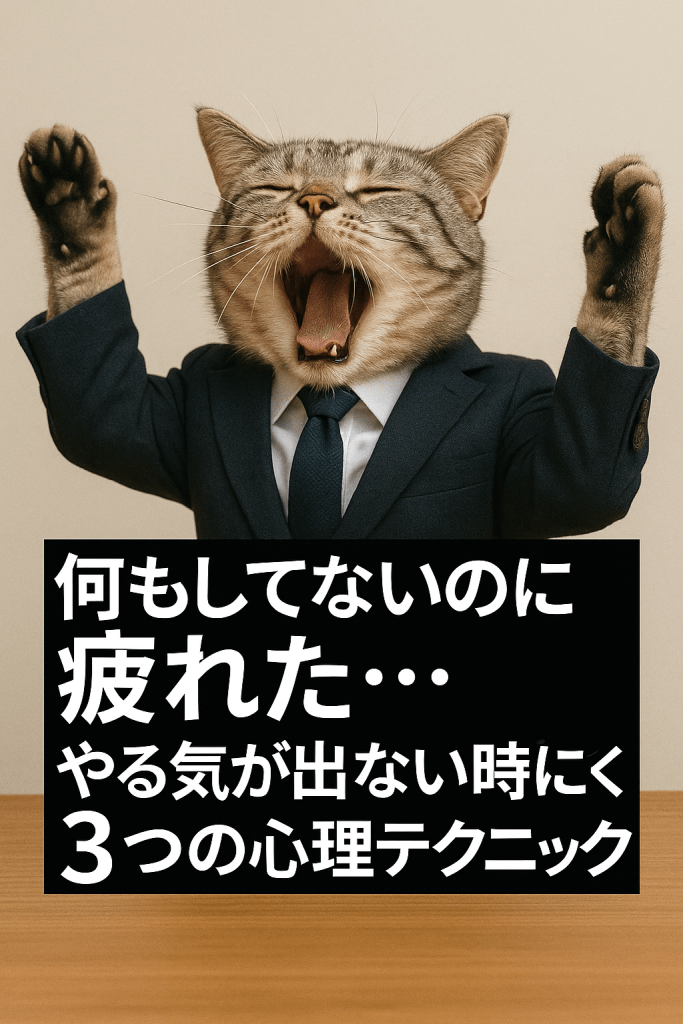
  • 何もしてないのに疲れた…やる気が出ない時に効く3つの心理テクニック

    「何もしてないのに、なんか疲れてる…」
    「やる気が湧かない、でも休むのも罪悪感…」

    そんな時、ありませんか?
    実は、脳が知らないうちに疲れているサインなんです。

    今日はそんな時に試してほしい、心と体を回復させる心理テクニックを3つご紹介します。


    1. 脳の“情報疲れ”をリセットする(デジタルデトックス)

    何もしていないのに疲れるのは、
    スマホやPCからの情報を浴びすぎているせいかも。

    → まずは5〜10分、画面から離れるだけで脳の回復が始まります。
    ポイントは:

    • 窓の外を見る
    • 軽く目を閉じる
    • 呼吸に意識を向ける

    脳のノイズを消す時間を作るだけで、体が軽くなります。


    2. 「疲れた」を言葉にして、脳に気づかせる(ラベリング効果)

    脳は、感情や状態を言葉にすると落ち着く性質があります。

    → 自分にこう声をかけてください:
    「今は疲れてるだけ」
    「今日はやる気がない日なんだ」

    → これだけで、脳が状況を客観視でき、気持ちが少し楽になります。


    3. “やる気が出る行動”より“回復する行動”を選ぶ(セルフコンパッション)

    やる気が出ない時は、無理に頑張ろうとせず、
    自分を回復させる行動を選ぶことが正解。

    例:

    • 5分だけ散歩する
    • 温かい飲み物を飲む
    • 好きな音楽を聴く

    → 小さな“癒し行動”が、やる気を戻すスイッチになります。


    まとめ:やる気は、まず“回復”してから戻ってくる。

    • 脳の情報疲れをリセット
    • 「疲れた」と言葉にして認める
    • 頑張るより、回復する行動を選ぶ

    何もしてないのに疲れた時こそ、
    無理に動かず、自分を整えることが一番の近道です!

    4月 28, 2025

  • 5 smarte Techniken für Analyse und Berichte – auch wenn du super beschäftigt bist

    Viel zu tun, aber trotzdem Berichte erstellen?
    Es geht nicht um mehr Arbeit – sondern um klügeres Arbeiten.

    Hier sind 5 schnelle Techniken, wie du effizient analysieren und Berichte erstellen kannst.


    1. Starte mit dem Ziel – in einem Satz

    Bevor du Daten sammelst, frage dich:
    “Was soll dieser Bericht zeigen?”
    Beispiel: „Die wichtigsten Erkenntnisse zum Umsatz im zweiten Quartal zusammenfassen.“


    2. Rückwärts analysieren: Frage zuerst, Daten danach

    Verirre dich nicht in Tabellen.
    Stelle zuerst die Frage:
    „Wie ist der Umsatztrend?“ „Wo hakt es?“
    Dann sammle nur die nötigen Daten.


    3. 70% reichen – Perfektion später

    Mit wenig Zeit gilt: Besser fertig als perfekt.
    Erst das Grobe erstellen, dann Feinschliff, wenn möglich.


    4. Die 3-Folien-Regel für Berichte

    • Folie 1: Fazit
    • Folie 2-3: Daten & Grafiken
    • Optional: Nächste Schritte

    → Einfach ist effektiv.


    5. Nutze Vorlagen und klare Überschriften

    • Verwende Berichtsvorlagen.
    • Klare Titel: „Umsatz steigt um 10%“ statt „Umsatzdaten“.
    4月 24, 2025

  • 5 técnicas rápidas para analisar dados e criar relatórios – mesmo com a agenda cheia

    Cheio de tarefas, mas precisa analisar dados e criar relatórios?
    Não é sobre trabalhar mais — é sobre trabalhar melhor.


    Aqui estão 5 técnicas práticas para agilizar sua análise e entrega de relatórios.


    1. Comece pelo objetivo – escreva em uma frase

    Antes de buscar dados, pergunte:
    “Qual o propósito deste relatório?”
    Exemplo: “Apontar os principais resultados das vendas do segundo trimestre.”

    → Isso direciona sua análise.


    2. Analise de trás para frente: pergunta primeiro, dados depois

    Não se perca em planilhas.
    Primeiro defina o que precisa saber:
    “Qual a tendência das vendas?” “Onde está o gargalo?”
    Depois busque só os dados essenciais.


    3. Aceite 70% pronto – a perfeição pode esperar

    Com pouco tempo, mire no “bom o suficiente”.
    Monte a estrutura geral e refine depois, se der.


    4. Regra dos 3 slides para relatórios

    • Slide 1: Conclusão
    • Slide 2-3: Dados e gráficos
    • Opcional: Próximos passos ou recomendações

    → Simplicidade é eficiência.


    5. Use templates e títulos que falam

    • Reutilize modelos de relatórios.
    • Títulos claros: “Vendas cresceram 10% este trimestre” em vez de apenas “Dados de vendas”.
    4月 24, 2025

  • 5 Smart Techniques to Analyze Data and Create Reports – Even When You’re Super Busy

    Swamped with work but still need to analyze data and create reports?
    It’s not about working longer — it’s about working smarter.

    Here are 5 quick techniques to help you get your reports done efficiently, even when you have no time.


    1. Start with the goal – one clear sentence

    Before gathering data, ask yourself:
    “What’s the purpose of this report?”
    Write it down in one sentence.
    Example: “Summarize key insights for Q2 sales performance.”

    → This keeps your focus sharp.


    2. Analyze backwards: question first, data second

    Don’t get lost in spreadsheets.
    First, define what you want to know:
    “What’s the sales trend?” “What’s the bottleneck?”
    Then, collect only the necessary data.

    → Start with the question.


    3. Accept 70% done – perfection can wait

    When time is tight, aim for “good enough” analysis.
    Get the rough structure done first, then refine key points if you have time.


    4. Use the 3-slide rule for reports

    • Slide 1: Conclusion
    • Slide 2-3: Supporting data & visuals
    • Optional: Next steps or recommendations

    → Simple = effective.


    5. Use templates and headlines that speak

    • Reuse report templates.
    • Add clear titles: “Sales increased by 10% this quarter” instead of just “Sales data”.

    → This saves time and makes your report easier to read.

    4月 24, 2025

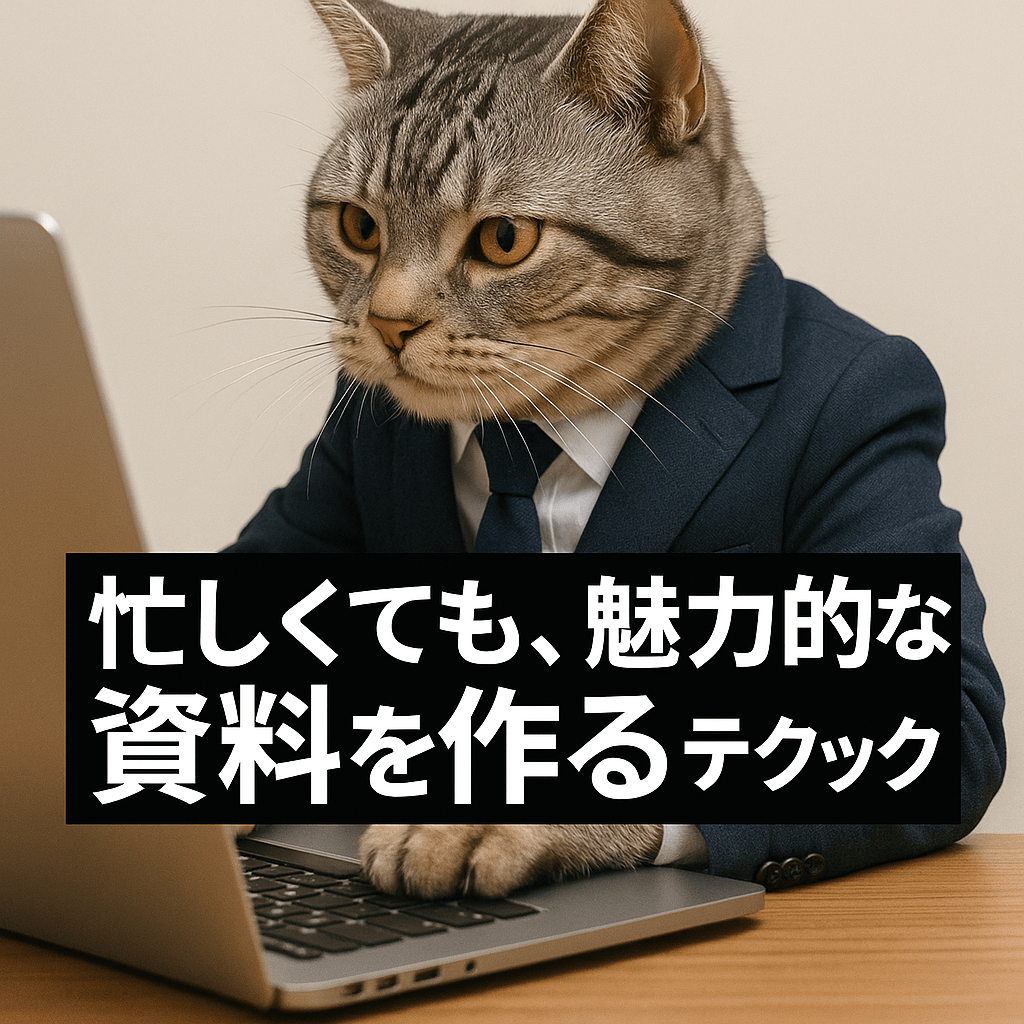
  • 超忙しい中でも“分析→資料作成”を回す5つのテクニック

    「時間がない!でも資料は作らないと…」
    そんな状況でも、
    考える・まとめる・見せるを最短で回すコツがあります。

    今日は、忙しい人のための“分析→資料作成”の5つのテクニックをご紹介します。


    1. まず「資料のゴール」を1文で決める

    資料の目的がボヤけていると、情報が散らかる。
    → 最初に**「この資料で相手に何を伝えたいか?」**を1文で決めます。
    (例:「〇〇の改善ポイントを3つ提示する」など)

    これで、集めるデータ・書く内容が絞れます。


    2. データは「問い→答え」の順で見る(逆算型分析)

    • いきなりデータを眺めない。
    • まず「何を知りたい?」を決めてから、
      → 必要な数値・グラフだけを抽出する。

    → データに振り回されず、“答えを探す目”で見るのがコツ。


    3. 分析は“ざっくり7割”で止める(完璧を捨てる)

    忙しいときは**「深掘りより、まず全体像」**。

    • 仮説でOK
    • 足りないところはメモしておき、後から加筆

    → まず“ざっくり全体”を組んでから、必要な箇所だけ磨く。


    4. 資料は“3ステップ”で構成する

    • 結論(1枚)
    • 根拠のデータ(1〜2枚)
    • 補足・次のアクション(1枚)

    → これだけでシンプルで伝わる資料になります。


    5. ひと目で伝わるフォーマットを使う

    • テンプレートを使い回す(会社・自分用でOK)
    • グラフや表は**「何を見てほしいか」**をタイトルに入れる
      (例:「売上は前年より10%増加」)

    → 見た目に悩まない“型”を持つと、作業時間が半分に。


    まとめ:時間がないときは“考える順番”で差がつく。

    • まず「資料のゴール」を決める
    • 問いから逆算してデータを見る
    • 分析は7割で止めて組み立てる
    • 資料は結論・根拠・アクションの3枚構成
    • テンプレを活用して見た目を悩まない

    忙しいときこそ、型と逆算があなたを助けてくれます!

    4月 24, 2025

  • 5 dicas para mudar de carreira com sucesso

    Pensando em mudar de emprego?
    Uma transição de carreira pode abrir novas portas —
    mas só dá certo se você planejar bem.
    Sem clareza, o risco é pensar:

    “Não era isso que eu queria…”

    Aqui estão 5 dicas essenciais para garantir uma mudança bem-sucedida.


    1. Saiba o “porquê” dessa mudança

    É por:

    • Aumentar o salário?
    • Aprender algo novo?
    • Melhorar o equilíbrio entre vida e trabalho?

    Quanto mais claro seu motivo, mais fácil escolher a vaga certa e explicar isso nas entrevistas.


    2. Defina o que é “essencial” e o que é “negociável”

    Não dá pra ter tudo — e tudo bem.
    Decida:

    • O que é inegociável?
    • O que pode ser flexível?

    Isso evita aceitar uma vaga que não combina com você.


    3. Pesquise além da vaga

    Não se limite ao anúncio.
    Veja as redes sociais da empresa, avaliações de funcionários, entrevistas.
    Descubra como é realmente o ambiente.


    4. Pense também do lado da empresa

    Na entrevista, mostre seu valor:
    “Como posso ajudar nos objetivos da empresa?”
    Isso faz toda a diferença.


    5. Planeje o longo prazo

    Buscar emprego leva tempo.
    Considere 3-6 meses de processo.
    Ter paciência agora evita arrependimentos depois.


    Resumo: o segredo está na preparação.

    • Tenha clareza do seu objetivo
    • Separe o que é essencial e o que é flexível
    • Pesquise bem
    • Mostre seu valor
    • Respeite o tempo do processo

    Quanto mais você se prepara, melhor será sua próxima jornada.

    4月 23, 2025

  • 5 Key Tips for a Successful Career Change

    Thinking about changing jobs?
    A career move can open new doors — but only if you approach it right.
    Without a clear plan, you risk ending up thinking,

    “This isn’t what I expected…”

    Here are 5 essential tips to help you make your next career move a success.


    1. Know your “why” for changing jobs

    Is it for:

    • Higher salary?
    • New skills or roles?
    • Better work-life balance?

    When you clarify why you want to move,
    it becomes easier to choose the right company and explain your goals in interviews.


    2. Define your non-negotiables and your flexibles

    You won’t get everything you want — and that’s okay.
    But decide:

    • What’s non-negotiable?
    • What can you compromise on?

    This clarity helps you avoid settling for the wrong role.


    3. Don’t rely on job ads alone – dig deeper

    Look beyond the job description.
    Check the company’s social media, employee reviews, and interviews to get a real sense of the culture.


    4. Think from the company’s side too

    In interviews, balance your own needs with how you can contribute to the company’s goals.
    This mindset shows maturity and value.


    5. Be ready for a long game

    Job hunting takes time.
    Plan for 3-6 months, and don’t rush decisions.
    A bit of patience now leads to the right fit later.


    Summary: Preparation makes all the difference.

    • Clarify your goals
    • Know your must-haves
    • Research well
    • Communicate your value
    • Stay patient

    The better you prepare, the brighter your next career step becomes.

    4月 23, 2025

  • 転職を成功させるために押さえるべき5つのポイント

    「今の仕事を変えたい」
    「もっと自分に合った環境で働きたい」

    そう思ったとき、転職は未来を変える大きなチャンスになります。
    でも、なんとなく転職してしまうと、
    **「思ってたのと違った…」**と後悔することも。

    今回は、転職を成功させるために必要な5つのポイントを、実践ベースで紹介します。


    1. 転職の“目的”をはっきりさせる

    • 給料を上げたい?
    • やりたい仕事がある?
    • 働き方を変えたい?

    → 「なぜ転職したいのか?」を具体的にしておくと、求人選びや面接でブレません。


    2. “譲れない条件”と“妥協できる条件”を分ける

    すべてを理想通りにしようとすると、決まりません。
    → 自分にとっての**「絶対に必要な条件」と「できれば…の条件」**を整理しましょう。


    3. 情報は“企業の発信”+“口コミ”の両方を見る

    求人票だけでは分からないことも多い。
    → 企業のSNS、社員インタビュー、口コミサイトなど、いろんな視点から情報収集を。


    4. 面接では“相手の立場”も考える

    自分の希望ばかりを伝えるのではなく、
    **「この会社にどう貢献できるか」**を意識して伝えると、印象がぐっと上がります。


    5. 焦らず、“長期戦”のつもりで動く

    転職はタイミングも大事。
    → 焦って決めずに、「3〜6ヶ月かけてもいい」と考えておくと、余裕が生まれます。

    4月 23, 2025

次ページ

WordPress.com Blog.

プライバシーと Cookies:このサイトは Cookies を使用しています。このサイトの使用を続けると、Cookie の使用に同意したとみなされます。
Cookie の管理方法を含め、詳細についてはこちらをご覧ください: Cookie ポリシー
 

コメントを読み込み中…
 

    • 登録 開始日
      • アカビズ ー 「ビジネスと就活のナビゲーター」
      • 57人の購読者に加わりましょう
      • WordPress.com のアカウントをすでにお持ちですか ? 今すぐログイン
      • アカビズ ー 「ビジネスと就活のナビゲーター」
      • 登録 開始日
      • 登録
      • ログイン
      • このコンテンツを報告
      • サイトを Reader で表示
      • 購読管理
      • このバーを折りたたむ